There isn’t just one way to play Lorum.
Families and towns change traditional games as they pass them on. Lorum is no exception. We treat that as the point, not as a bug.
The goal here is to make it possible to play Lorum the way you like to play it.
Regional variations
Hungarian Lórum, Czech Lóra (often called Filky or Kačaba), and Serbian or Croatian Lora share a family resemblance: four players, a 32-card pack, a list of contracts, lowest score wins. The list itself, the order, and a few famous rounds differ.
House rules
A table may reveal the Red King, allow several cards on a domino turn, shoot the moon, or tweak a penalty. None of that makes the evening “not Lorum.”
Different rounds
Some groups play Blind King. Others never do. Train, Quads, Tens, and Harakiri appear on some lists and not on others. Custom lists let you keep the contracts you actually play.
Different scoring
Points, chips, or a pot; doubled Kings; leftover cards at one point or three. We do not freeze a single schedule on this website. The game lets you set the numbers.
Different decks
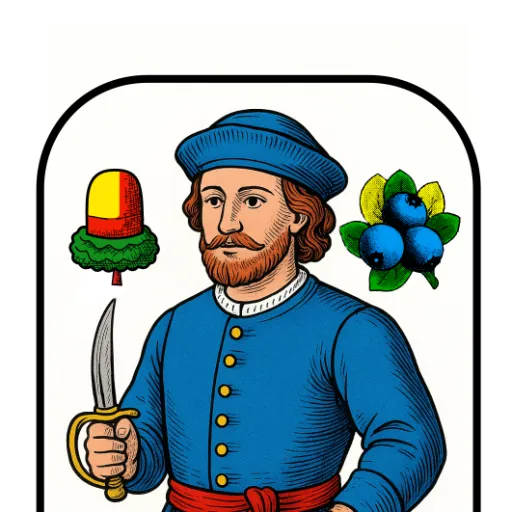
William Tell (German-suited) cards are the traditional Hungarian and Czech pack. You can also play with French-suited 32-card or 52-card decks. The online table supports these options.
Barbu and other cousins
You can play most of Barbu here too, except the side bidding and doubling. You can use a 32-card or 52-card deck. You can also let a declarer choose the next game.
Custom rule sets
Pick a built-in Czech or Hungarian list, or edit rounds, penalties, and options until the table feels like home. You can share a setup with friends without turning it into a marketplace.
Examples of things tables disagree on
- Whether the Red King may be revealed before play
- Whether Tens or Jacks start the layout (domino) round
- Whether you may play several legal cards in one layout turn
- Whether a “get everything” or Harakiri contract is on the list
- Clockwise or counterclockwise play
- A 32-card or 52-card deck
- A declarer choosing the next contract